From Railways to Rolling Freedom: The History of Piaggio
Piaggio, a name synonymous with stylish scooters, boasts a rich history that extends far beyond two wheels. This Italian manufacturer’s journey began over a century ago, weaving a tale of innovation, adaptation, and enduring passion for mobility.
From Timber to Trains: The Early Years (1882-1946)
The Piaggio story starts in 1882 with Enrico Piaggio, who established a timber yard near Genoa. It was his son, Rinaldo, who took the reins in 1884, transforming the business into “Piaggio & C.” The company initially focused on railway carriages and locomotives, catering to Italy’s growing transportation needs. World War I saw Piaggio delve into the aviation sector, producing aircraft under license.
Post-War Innovation: Birth of the Vespa (1946-1960s)
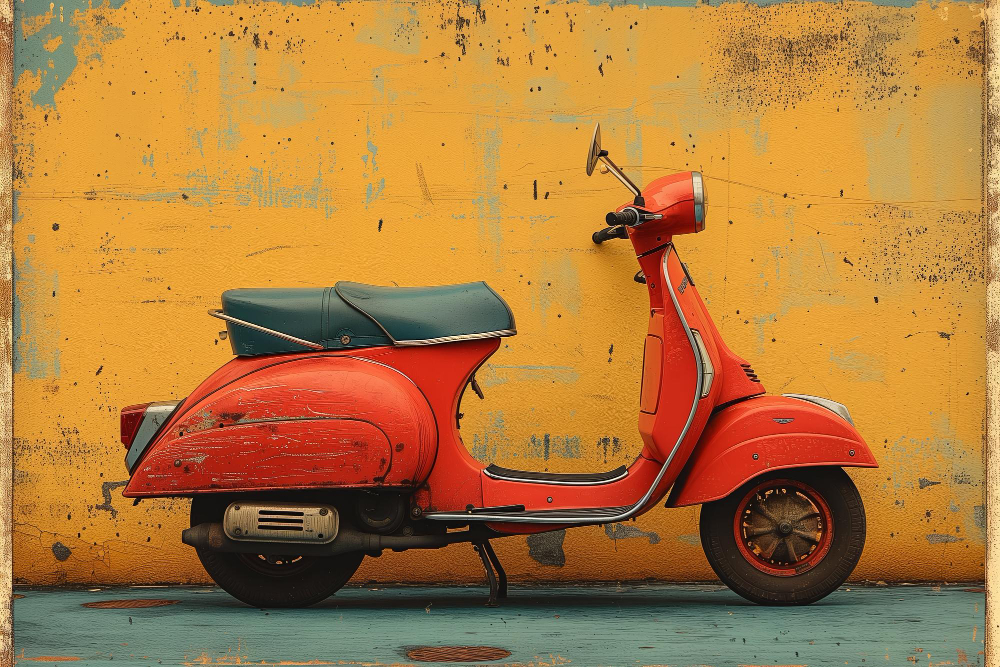
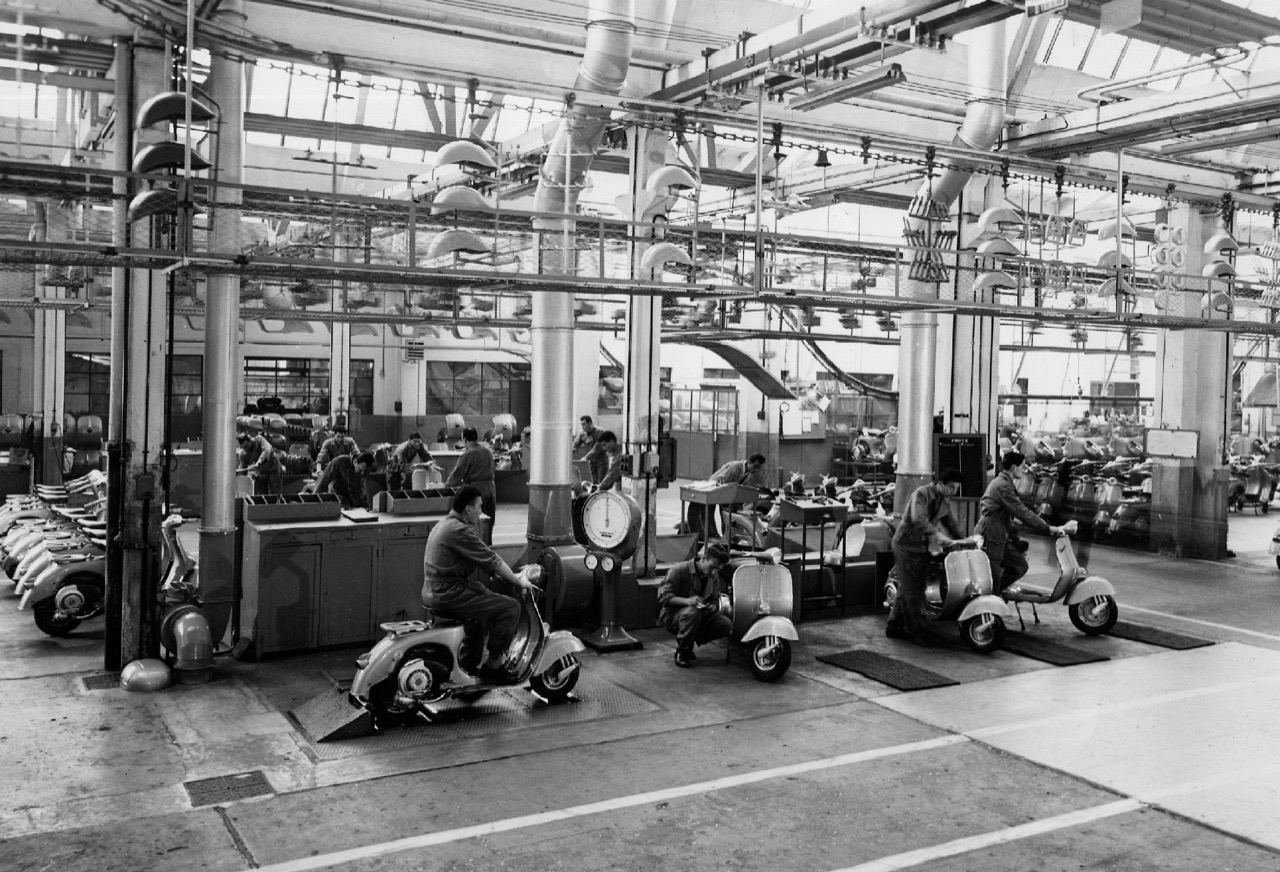
The aftermath of World War II left Europe in ruins. People needed affordable and efficient transportation. Enrico Piaggio’s son, Armando, recognized this need. In 1946, Piaggio introduced the world to the Vespa, a revolutionary motor scooter designed by Corradino D’Ascanio. With its compact design, unibody frame, and step-through entry, the Vespa offered a practical and stylish alternative to motorcycles.

The Vespa’s success was immediate. Its affordability and ease of use made it a symbol of post-war reconstruction and freedom. Iconic films like “Roman Holiday” featuring Audrey Hepburn cemented the Vespa’s place in pop culture. Throughout the 1950s and 1960s, Piaggio expanded the Vespa range, introducing new models like the Sprint and the iconic PX.
Beyond Scooters: Expansion and Diversification (1960s-Present)
While the Vespa remained Piaggio’s crown jewel, the company continued to innovate. In 1964, the motorcycle division became Aprilia, a separate brand known for its performance-oriented machines. Piaggio also acquired other historic Italian motorcycle manufacturers like Moto Guzzi and Gilera, solidifying its position as a two-wheeled powerhouse.
The latter half of the 20th century saw Piaggio embrace technological advancements. Research into electric scooters began as early as the 1970s, reflecting a forward-thinking approach to sustainable mobility solutions. Today, Piaggio offers a diverse range of two-wheelers, from classic Vespas to electric scooters and high-performance motorcycles.
A Legacy of Mobility
From its humble beginnings as a railway car builder to becoming a global leader in two-wheeled transportation, Piaggio’s story is one of resilience and adaptation. The company’s unwavering commitment to innovation and design has not only shaped the landscape of Italian manufacturing but has also captured the hearts of riders worldwide. As Piaggio continues to navigate the future of mobility, one thing remains certain: the iconic Vespa and the rich heritage of Piaggio will continue to inspire generations to come.